
Power cookers, like Power BI, offer ease of use and strong applicability, automating reporting. They streamline tasks,
similar to Power Automate formatting Excel, saving time and effort. These devices empower users with efficient cooking solutions.
1.1 What is a Power Cooker?
A power cooker represents a versatile kitchen appliance, evolving beyond traditional methods. Much like Power BI simplifies data analysis, a power cooker streamlines meal preparation. These devices, often electric, combine functionalities – pressure cooking, slow cooking, and sometimes even sautéing – into a single unit. Think of it as an all-in-one solution, mirroring the convenience of Power Automate for Excel tasks.

Initially, understanding the ‘kernel’ – the core functionality – is key. A power cooker utilizes sealed cooking, building pressure to significantly reduce cooking times. This isn’t just about speed; it’s about retaining nutrients and flavors. Modern models, like those from Honor, boast robust performance even in extreme temperatures, demonstrating reliability. They are designed for both novice and experienced cooks, offering programmable settings and safety features.
1.2 Benefits of Using a Power Cooker
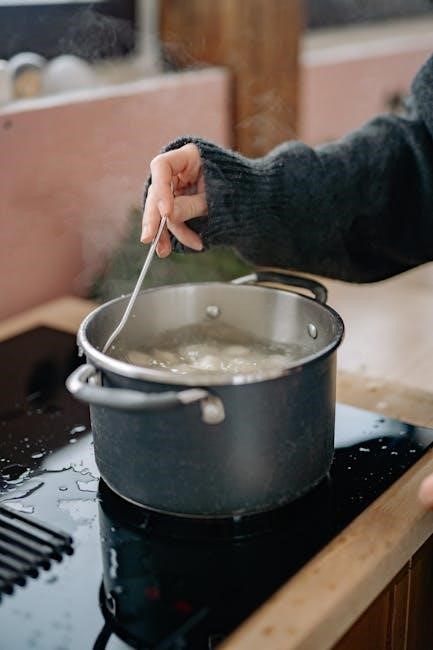
Employing a power cooker delivers numerous advantages, akin to the cost-effectiveness of Power BI. Time savings are paramount; pressure cooking drastically reduces cooking durations compared to conventional methods. This efficiency mirrors the automation offered by Power Automate, eliminating repetitive tasks. Nutrient retention is another key benefit, as sealed cooking minimizes vitamin loss.
Furthermore, power cookers simplify meal preparation, requiring less hands-on attention. Like managing a fleet with ‘sea power’, it allows for ‘set it and forget it’ cooking. They are versatile, capable of creating diverse dishes – from tender meats to flavorful soups. Modern models, built for stability even in extreme conditions, offer reliability. Ultimately, a power cooker promotes healthier eating and a more convenient lifestyle, much like streamlined data reporting.

Types of Power Cookers
Power cookers range from electric pressure cookers to versatile multi-cookers, functioning as slow cookers and more, offering diverse options for efficient meal preparation.
2.1 Electric Pressure Cookers
Electric pressure cookers represent a significant advancement in kitchen technology, offering speed and convenience. They utilize sealed cooking environments to dramatically reduce cooking times compared to traditional methods. Similar to how Power BI automates reporting, these cookers automate the pressure cooking process, ensuring consistent results.
These devices excel at tenderizing tough cuts of meat, cooking beans from dry, and creating flavorful stocks. Understanding the kernel – the core function – of these cookers is crucial; it’s about controlling pressure and temperature. They often feature pre-programmed settings for various dishes, simplifying operation. Like Power Automate, they eliminate repetitive tasks. Safety features, including pressure release mechanisms, are paramount, and will be discussed later. The ability to operate at higher temperatures than boiling allows for faster and more efficient cooking, mirroring the power and efficiency of modern computing systems.
2.2 Multi-Cookers (Pressure Cooker, Slow Cooker, etc.)
Multi-cookers are versatile kitchen appliances consolidating numerous cooking methods into a single unit. Functioning much like the integrated features of Power BI, they offer diverse capabilities – pressure cooking, slow cooking, sautéing, steaming, and even yogurt making are common. This eliminates the need for multiple appliances, saving valuable counter space.
These devices often boast customizable programs, akin to the war campaign editor allowing complex fleet operations, providing flexibility for various recipes. They represent a powerful solution for busy individuals, mirroring the efficiency gains of Power Automate in data management. Understanding the ‘kernel’ – the core functionalities – allows users to maximize their potential. Like a computer’s power supply, they require proper operation for optimal performance. Their adaptability makes them ideal for a wide range of culinary creations, offering a streamlined cooking experience.

Safety Precautions
Prioritize safety; understand pressure release, prevent burns like extreme temperature operation of the Honor Power, and ensure proper lid sealing for reliable, secure cooking.
3.1 Understanding Pressure Release Mechanisms
Power cookers utilize several pressure release methods, crucial for safe operation. The natural pressure release allows pressure to dissipate slowly, ideal for soups and stews, preventing splattering. Quick release, venting steam manually, is faster but can cause liquid to spurt – exercise extreme caution!
Understanding the float valve is essential; it rises when pressurized and falls when pressure is released. Never force the lid open if pressure remains. Some models feature an automatic pressure release valve, ensuring safety. Like kernel software managing CPU hardware, these mechanisms control internal pressure. Always refer to your cooker’s manual for specific instructions, as mechanisms vary between models. Ignoring these precautions is akin to operating a fleet without understanding command structures.
3.2 Preventing Burns and Scalding
Burns and scalding are significant risks when using power cookers. Always direct steam release away from your body, hands, and face. Utilize long-handled utensils to avoid proximity to hot surfaces and escaping steam. Never attempt to open the lid forcibly while pressure is present – this can cause a violent release of hot contents.
Allow the cooker to cool completely before handling. Similar to managing a fleet in harsh conditions (-30°C to 55°C), anticipate potential hazards. Be mindful of hot components even after the cooking cycle ends. Like Power Automate automating tasks, preventative measures are key. Exercise caution when stirring or removing food, as it retains significant heat. Prioritize safety; it’s as vital as understanding kernel-power issues on a computer.
3.3 Proper Lid Sealing and Operation
Ensuring a proper lid seal is crucial for safe and effective power cooking. Before each use, inspect the sealing ring for cracks, damage, or debris – replace if necessary. Align the lid correctly, following the cooker’s markings, and twist to lock securely. A secure seal builds pressure, essential for efficient cooking, much like a stable kernel for computer operation.
Never force the lid; it should lock smoothly. Understand the pressure release mechanisms before operation. Like automating Excel sheets with Power Automate, proper setup is key. Avoid overfilling the cooker, as this can obstruct the seal. Regularly clean the lid and sealing ring to maintain optimal performance. A faulty seal can lead to leaks and inconsistent results, mirroring issues with a malfunctioning computer’s power supply.

Getting Started: Initial Setup
Unbox carefully, identifying all components. Perform a water test—a simple first-time use—to verify proper sealing and function, like Power BI’s initial setup.
4.1 Unboxing and Component Identification

Carefully unpack your new power cooker, ensuring all included items are present. Typically, you’ll find the main cooker base, the inner cooking pot (often stainless steel), a pressure lid with safety mechanisms, a condensation collector, a steam release valve, and potentially a steaming rack or other accessories. Refer to the included documentation – much like setting up Power BI – to verify you have everything listed.
Inspect each component for any shipping damage. The inner pot should fit snugly within the base. Familiarize yourself with the lid’s locking mechanism and the placement of the pressure release valve. Understanding these parts before first use, similar to understanding kernel functions, is crucial for safe and effective operation. Note the location of any control panels or displays. Proper identification now prevents confusion later during cooking.
4.2 First-Time Use: Water Test
Before cooking food, perform a water test to ensure proper sealing and function. Add 2-3 cups of water to the inner pot. Secure the lid, ensuring it’s correctly locked – similar to securing data in Power Automate. Set the cooker to a short pressure cooking cycle (e.g., 5 minutes) using the ‘Pressure Cook’ function. Allow the cooker to come to pressure and then release it naturally, or use the quick release method as described in the safety section.
Observe for any leaks around the lid. If leaks are present, re-check the lid seal and locking mechanism. This test verifies the pressure regulation system is working correctly, much like testing a kernel’s stability. Discard the water and thoroughly dry the inner pot before your first actual cooking attempt. This initial step builds confidence and ensures safe operation.

Basic Cooking Functions
Power cookers excel at pressure and slow cooking, offering sauté functions for browning. These features, like Power BI reporting, provide versatile and automated meal preparation.
5.1 Pressure Cooking: A Step-by-Step Guide
Begin by adding ingredients and liquid – ensure sufficient liquid is present for pressure build-up, similar to how Power BI needs data for reporting. Secure the lid, verifying the sealing ring is correctly positioned for a proper seal, much like ensuring kernel stability in a computer system.
Select the appropriate pressure setting (high or low) and cooking time, mirroring the customizable programs in advanced Power Cookers. Allow the cooker to reach pressure; this may take several minutes. Once pressure is reached, the cooking time begins.
After cooking, allow for natural pressure release (letting the pressure dissipate on its own) or use the quick release method (carefully venting steam), understanding the safety mechanisms is crucial. Always follow manufacturer’s instructions, akin to handling a complex tool like Power Automate. Once the pressure is fully released, carefully open the lid and enjoy your meal!
5.2 Slow Cooking: Low and High Settings
Slow cooking utilizes lower temperatures for extended periods, ideal for tenderizing tougher cuts of meat – a process requiring patience, like building complex Power BI dashboards. The ‘Low’ setting is best for 6-8 hour cooking times, perfect for all-day meals, mirroring the long-term stability of a computer kernel.
The ‘High’ setting cooks food faster, typically in 3-4 hours, suitable when you need a meal prepared more quickly, similar to the rapid data processing of Power Automate. Add ingredients and liquid, ensuring sufficient moisture.
Secure the lid and select your desired setting. Unlike pressure cooking, the lid doesn’t need to be airtight. Slow cooking allows flavors to meld beautifully, creating rich and satisfying dishes, much like the harmonious integration of hardware and software.
5.3 Sauté/Browning Function
The sauté function allows browning meats and vegetables directly within the power cooker, eliminating the need for a separate pan – a streamlined process akin to Power BI’s automated reporting. This builds flavor before pressure or slow cooking, similar to establishing a strong kernel for computer operations.
Select the ‘Sauté’ setting and add oil. Once heated, add your ingredients, stirring frequently. Be mindful of burning; adjust heat as needed, much like managing CPU power. This function is ideal for searing meats, softening onions, or developing a flavorful base for soups and stews.
Deglaze the pot with liquid after browning to release any stuck-on bits, enhancing the overall flavor profile, mirroring the efficiency of Power Automate in Excel.
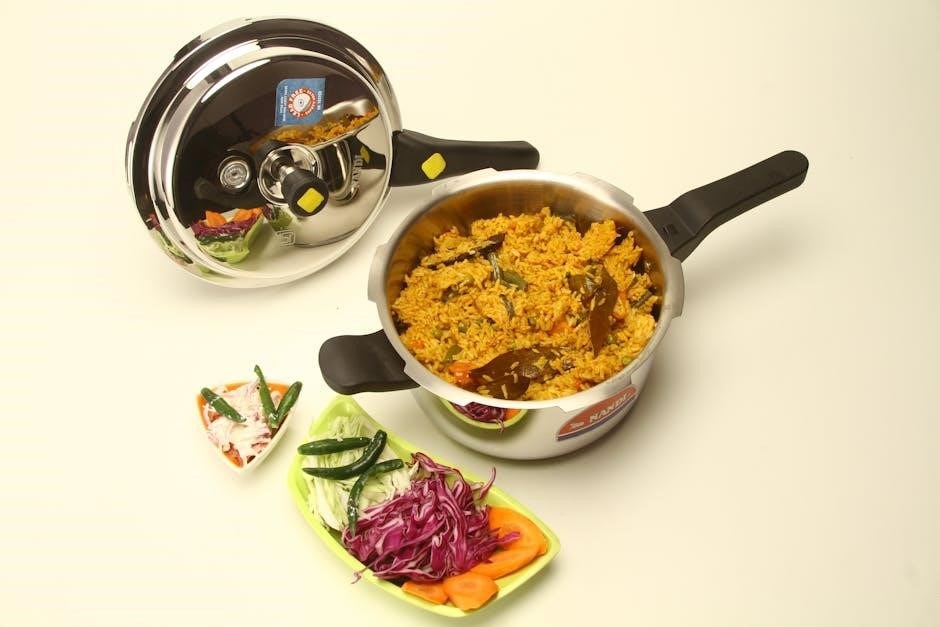
Advanced Features & Settings
Explore timer functions, delay starts, and the ‘Keep Warm’ setting for flexible cooking. Customizable programs, like Power BI, offer tailored experiences.
6.1 Timer and Delay Start Functions
Leveraging the timer and delay start functions on your power cooker unlocks a new level of convenience, mirroring the automation found in tools like Power Automate. These features allow you to pre-program cooking cycles, ensuring a hot meal is ready precisely when you desire, even if you’re not home to initiate the process. Imagine setting your cooker to begin slow cooking a roast in the morning, so dinner is prepared by evening.
The delay start lets you specify a time delay – for example, adding 4 hours to the current time. The timer function, conversely, allows you to set a total cooking duration. Both are invaluable for meal prepping and managing busy schedules. Remember to always ensure ingredients requiring refrigeration are added shortly before the cooking cycle begins to maintain food safety, similar to best practices when using Excel for data management.
6.2 Keep Warm Function
The Keep Warm function is a remarkably useful feature, akin to the automated reporting capabilities of Power BI, ensuring your food remains at a safe and palatable temperature after cooking completes. This is particularly beneficial when meal timings are staggered, or unexpected delays occur. Unlike leaving food to sit at room temperature, the Keep Warm setting maintains a consistent warmth, preventing bacterial growth.
Typically, the Keep Warm function activates automatically upon cycle completion, holding food for several hours. However, it’s crucial to remember that prolonged warming can slightly alter texture and flavor. For optimal results, avoid keeping food warm for extended periods. Consider it a temporary holding solution, similar to using a kernel to maintain system stability, rather than a long-term storage method. Always consult your cooker’s manual for specific Keep Warm duration guidelines.
6.3 Customizable Cooking Programs
Many modern power cookers boast customizable cooking programs, mirroring the flexibility of Power Automate in tailoring workflows. These programs allow you to save preferred cooking settings – pressure level, temperature, and time – for frequently prepared dishes. This eliminates the need to repeatedly input the same parameters, streamlining your cooking process, much like automating Excel formatting.
Customization typically involves accessing a “Program” or “Set” function within the cooker’s interface. You’ll then input your desired settings and save them under a descriptive name (e.g., “Beef Stew,” “Chicken Curry”). Some models even allow for multiple custom programs, offering extensive personalization. This feature is akin to adjusting kernel settings for optimal performance. Refer to your cooker’s manual for detailed instructions on creating and utilizing these programs, maximizing efficiency and convenience.
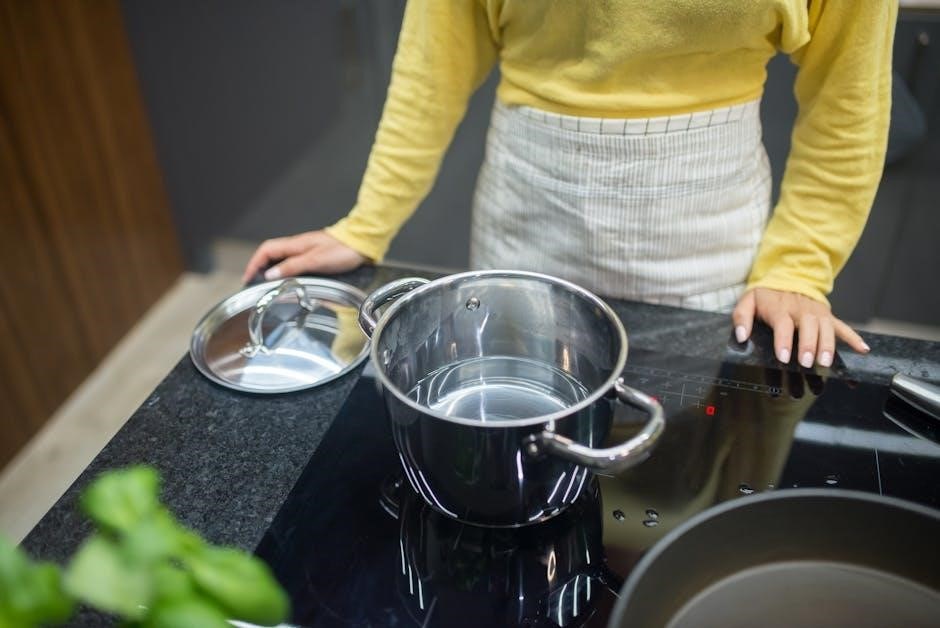
Cleaning and Maintenance
Regular disassembly and cleaning, like maintaining kernel software, ensures longevity. Proper storage, avoiding extreme temperatures, mirrors handling a phone’s battery, preserving functionality.
7.1 Disassembling and Cleaning Components
Before cleaning, always ensure the power cooker is unplugged and completely cooled down. Carefully remove the inner pot, steam rack, and any other detachable components. These parts are often dishwasher-safe, but check your user manual for specific instructions – similar to verifying software compatibility.
The lid requires special attention. Disassemble the sealing ring and valve, cleaning them thoroughly with warm, soapy water to remove any food residue or odors. Inspect the sealing ring for cracks or damage, replacing it if necessary, much like maintaining a computer’s kernel.
Wipe the exterior of the cooker with a damp cloth. Avoid abrasive cleaners, as they can damage the finish. For stubborn stains, a mild detergent solution can be used. Ensure all parts are completely dry before reassembling. Proper cleaning, like Power Automate’s formatting, prevents issues.
7.2 Proper Storage Techniques
To maximize the lifespan of your power cooker, proper storage is crucial. Ensure all components are completely dry before storing, preventing mold or mildew growth – akin to maintaining a stable kernel. Store the inner pot and accessories inside the cooker body to save space, similar to organizing Excel sheets.
Keep the lid slightly ajar to allow for ventilation, preventing odors from building up. Avoid stacking heavy items on top of the cooker, which could damage the exterior or internal mechanisms. Store in a cool, dry place away from direct sunlight, much like protecting sensitive computer hardware.
If storing for an extended period, consider placing a desiccant packet inside to absorb any residual moisture. Regular, careful storage, like Power BI’s data management, ensures long-term usability.